

path of wholesomeness : ค้นหาหนังสือธรรมะ หน้า 25 / 30
หน้าหนังสือทั้งหมด
76
The Bodhisatta and the Traders
The traders heard his saying, and cried--"We are going home, master!" joining their hands, and raising them respectfully to their foreheads. "Then climb up on my back," said the Bodhisatta.
Thereat s
In this story, the Bodhisatta aids a group of traders, who respectfully climb onto his back to be safely transported home. Those who obey his guidance escape the fate of their companions who were left
78
The Consequences of Heedlessness and the Path to Salvation
so, even so, they who neglect the advice of the Buddhas, both Brethren and Sisters, lay Brethren and lay Sisters, come to great misery in the four hells, places where they are punished under the five
This text emphasizes the dire consequences awaiting those who ignore the Buddha's teachings. It contrasts the plight of the heedless with the rewards of those who adhere to his guidance. The recitatio
5
The Shift in Enlightenment Concept in Prajñāpāramitā Sūtras
As demonstrated, the Prajñāpāramitā Sūtras changed a concept of enlightenment from "adapting a monastic lifestyle and practicing meditation extremely" to "accumulating good karma in daily life." This
The Prajñāpāramitā Sūtras redefined the concept of enlightenment in Buddhism, moving away from the traditional focus on monastic practices and extreme meditation. Instead, it emphasized the importance
4
Mahāyāna Buddhism: Reasons for Diversity in the Buddha’s Teachings (4)
ธรรมนิธ ววารสารวารสารวิชาการทางพระพุทธศาสนา
ปีที่ 7 ฉบับที่ 2 (ฉบับวันที่ 13) ปี 2564
**Mahāyāna Buddhism: Reasons for Diversity in the Buddha’s Teachings (4)**
Sasaki SHIZUKA
Phramaha Pongsak THAN
บทความนี้สำรวจถึงการเปลี่ยนแปลงแนวคิดการบรรลุธรรมในพระพุทธศาสนามหายานซึ่งขึ้นอยู่กับพระธรรมคำสอนใน *ปรัชญาปารมิตา* โดยเน้นการสะสมบุญในชีวิตประจำวันแทนการเป็นนักบวช การศึกษาความหมายของสุญตาจะช่วยให้ผู้
30
Vinayapitaka Editions and References
Vinayapitaka vol.IV. 2001. edited by Hermann Oldenberg. Oxford:
PTS. (first printed. 1882)
Vinayapitaka vol.V. 2006. edited by Hermann Oldenberg. Oxford:
PTS. (first printed. 1883)
อ้างอิงอื่น ๆ
PT
Vinayapitaka editions include volumes IV and V, edited by Hermann Oldenberg, published by the Pali Text Society with first prints in 1882 and 1883 respectively. Other important references include Nori
6
Achieving Life Balance through Viveka
balancingly. 2) Citta Viveka or mental seclusion could be used for thought balance. It adjusts life to be contemplated in the right way, not being led by negative forces such as hindrances. Mental sec
The text discusses three types of Viveka: Citta Viveka for mental seclusion that aids in thought balance by avoiding negative influences, and Upadhi Viveka for extinguishing defilements which ultimate
48
ธรรมา: การเผยแพร่พุทธศาสนาในตะวันตก
ธรรมา
วารสารวิชาการพระพุทธศาสนา ฉบับที่ 5 ปี 2560
"ทาน-คือ-ภูวมะ" คนไทยทำครบทั้ง 3 ข้อ โดยเฉพาะเรื่อง "ทาน"
แต่สำหรับ "ฝรั่ง" ส่วนมากไม่ทำ "ทานบารมี" ประเด็นนี้ วัดไทยในยุโรป
ที่ตั้งอยู่ได้ เพราะอา
บทความนี้พูดถึงการทำทานในสังคมไทยและเปรียบเทียบกับความเข้าใจเกี่ยวกับทานในฝรั่ง โดยเฉพาะในวัดไทยในยุโรปซึ่งได้ประโยชน์จากอรรถเป็นคนไทย โดยเสนอแนะให้มีการใช้แนวคิดการบริหารจัดการสมัยใหม่เพื่อพัฒนาการเผ
6
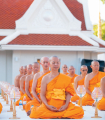
Buddhist Monks in Meditation
The image shows a group of Buddhist monks dressed in orange robes sitting in meditation or prayer posture. They are sitting cross-legged on a white surface with candles or lamps in front of them. The
The image features a tranquil gathering of Buddhist monks dressed in traditional orange robes, peacefully meditating in a serene outdoor setting. They are seated cross-legged on a white surface, posit
85
การทำงานร่วมกันเพื่อชีวิตที่มีเป้าหมาย
ทั้งหมดนี้ทำเพื่อความของเราเองและเพื่อภาพรวม ก็คือลูงพันจากการเป็นนาวเป็นทาสของพญามารทั้งหมด เพราะฉะนั้นความรักและสามัคคีกันเป็นทีม ทั้งรักตัวเองและรักหมู่คณะ รักที่จะศึกษาเรียนรู้ อยู่ร่วมกันอย่างสุภ
เนื้อหานี้พูดถึงความสำคัญของความรักและความสามัคคีในการทำงานร่วมกันเพื่อให้เข้าใจในเป้าหมายชีวิตและการมีชีวิตอย่างมีความหมาย โดยการทำงานร่วมกันทั้งในด้านงานหยาบและงานละเอียด ผลงานในระดับนี้จะช่วยขจัดอุ

217
Fountains with water jets
Water lilies in a pond
A path with floral patterns
Giant candles
Children playing
Horse-drawn carriage
Statues and fountains

226
Vibrant Decorative Sculpture Scene
The image depicts a colorful scene with various decorative sculptures, flowers, and figures. The central part of the scene shows a pathway leading to a structure in the background, with water fountain
The image presents a lively and colorful scene filled with various decorative sculptures, flowers, and figures. At the central part, a pathway leads to a backdrop structure, enhanced by water fountain
110
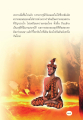
The Fragrance of Faith
Because when I go back, the blessings are not as fragrant as when I first received them, because it is a sweet fragrance of faith. Not like the fragrance of various fragrances, all of them will be gon
In the journey of life, the initial blessings received often carry a sweet fragrance of faith. However, as time passes, the significance may fade, resembling fleeting scents. This realization prompts
7
Meditation Teachings of Phrathepyanmahamuni: Volume 5
Preface
For more than two years, our Team has compiled a series of books devoted to meditation practices of Phrathepyanmahamuni. We have selected spiritual teachings that he transmits to his disciple
Over two years, our Team has curated a series of books on the meditation practices of Phrathepyanmahamuni, aimed at sharing his invaluable teachings with English speakers. This fifth volume emphasizes
66
การผ่อนคลายจิตใจ
วางใจให้สบาย ๆ
จับตรงความพอดี ถูกส่วนพอดี เอาให้ชำนาญ
ความกดดันทำให้จิตหยาบ เอามาใช้งไม่ใด้เลย
วางอารมณ์ให้สบาย ๆ ผ่อนคลาย นุ่ม ๆ มีความสุข
ต้องสุขอย่างเดียวเพราะเป็นเส้นทางแห่งความสุขอย่างเดียว
ผ่อนค
การสร้างสมดุลสำหรับจิตใจเป็นสิ่งสำคัญในการใช้ชีวิต เราควรเรียนรู้ที่จะผ่อนคลายอารมณ์และทำให้จิตใจรู้สึกสะบาย การใช้ความกดดันจะทำให้จิตใจหยาบ และควรหันมาให้ความสำคัญกับความสุขอย่างเดียว นี่คือเส้นทางไป
94
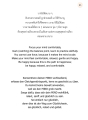
นอกกรอบรักษาใจ
นอกกรอบรักษาใจ
นิ่งถึงดวงธรรม นิ้งถึงองค์พระหรือกนิ้งถึงเรื่องที่ปลิ่ม ๆ
เรื่องบริสุทธิ์ เรื่องสบายใจ
เพื่อให้ใจอยู่อย่างในไม่ออกไปไหน
รักษาอารมณ์สบายสั่งสมอารมณ์นี้นิ่ม
เส้นทางแห่งความละเอียดย
After
บทความนี้เสนอแนวทางในการรักษาใจหลังการทำสมาธิ โดยแนะนำให้คิดถึงธรรมะและองค์พระหรือสิ่งที่ทำให้รู้สึกสุขใจ เพื่อรักษาความรู้สึกสบายและความสงบในใจ เสนอโอกาสในการเก็บเกี่ยวความรู้สึกที่ดีและพัฒนาจิตใจให้
124
การสะสมและการเว้นความชั่วในพระธรรมวินัย
1. จำต้อง สะสมหมด จากความเป็นรวาล
สะสมควรมี แบบรวบรวม
- ละ ทรัพย์สมบัติ โดยอิฐซิง
- ละ อุปยกุษี พัสดุ
สะสมความสุข แบบรวบรวม
- ละ ทำใช้อยู่อย่างรวบรวม
- ละ อาหารทางกาย ออย่างรวบรวม
- ละ ความนึกคิดแตกต่
บทความนี้พูดถึงการสะสมความดีในชีวิต ไม่ว่าจะเป็นทรัพย์สมบัติหรือความสุข และการเว้นความชั่วตามหลักการของพระธรรมวินัย โดยมีการเน้นเรื่องการบวชเป็นจุดเริ่มต้นของทาง spiritual path ในพระรัตนตรัยซึ่งต้องปฏ
7
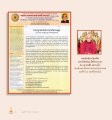
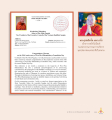
Congratulations Message from the Sangharaja of Bangladesh
Congratulations Message
from the Sangharaja of Bangladesh
As the Sangharaja of Bangladesh, Congratulations on the 55th Anniversary of Wat Phra Dhammakaya. On the cheerful occasion of the success of t
The Sangharaja of Bangladesh extends heartfelt congratulations on the 55th Anniversary of Wat Phra Dhammakaya, a prominent Buddhist organization. He expresses wishes for its continued prosperity, harm
8
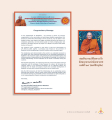
Congratulatory Message for Wat Phra Dhammakaya's 55th Anniversary
Namo Buddhaya
সংঘনায়ক মহাস্থবির শ্রীরাম মহাথের
Sanghanayaka Tharmadhipati Professor Banasree Mahathero
Sanghanayaka (Supreme Patriarch)
Bangladesh Bouddha Bhikkhu Mahasabha
(Supreme Sangha Mahaniya
As the Sanghanayaka of Bangladesh, I congratulate Wat Phra Dhammakaya on its 55th Anniversary. This day reflects the Buddha’s wisdom, promoting compassion and peace among all beings. The event on Febr
12
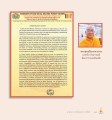
Congratulatory Message on the 55th Anniversary of Wat Phra Dhammakaya Foundation Day
VIETNAM BUDDIST SANGHA
PHO MINH PAGODA
--- oOo ---
Kusalacitto Mahathero
Abbot of Pho Minh Pagoda
Vice President of the Executive Council of the Vietnam Buddhist Sangha
Address:
2 Thien Ho Duong Str
On the 55th Anniversary of Wat Phra Dhammakaya Foundation Day, Kusalacitto Mahathero, the Abbot of Pho Minh Pagoda, extends warmest congratulations. This occasion marks over five decades of the instit
14
Celebrating 55 Years of Dhammakaya Foundation Day
SIDDHARTH UNITED SOCIAL WELFARE MISSION (SUSWM)
International Humanitarian & Spiritual Organization
BHARATIYA SANGHARJA BHIKKHUI MAHASABHA W.B
(Regional Centre for the World Fellowship of Buddhists)
The 55th anniversary of Dhammakaya Foundation Day will be celebrated on February 12, 2025, at the Dhammakaya Centre in Pathumani, Thailand. This event, coinciding with the holy Maghapuja Day, honors t